Guillotine Cutters Guide: Basics and Key Insights
Guillotine cutters are essential tools for clean, straight cuts in paper and other materials. Whether you're working in an office, school, or creative space, understanding how these cutters work can make tasks easier and more efficient.
This guide explores different types, uses, and practical tips to help you get the most out of them.
Understanding Guillotine Cutters
A guillotine paper cutter is a manual or powered device designed to slice through stacks of paper with precision. It features a sharp blade mounted on a lever arm, allowing controlled downward motion for accurate cuts.
These tools range from compact models to industrial machines. You’ll often find them referred to as a paper guillotine or paper cutter board, depending on their design and use case.
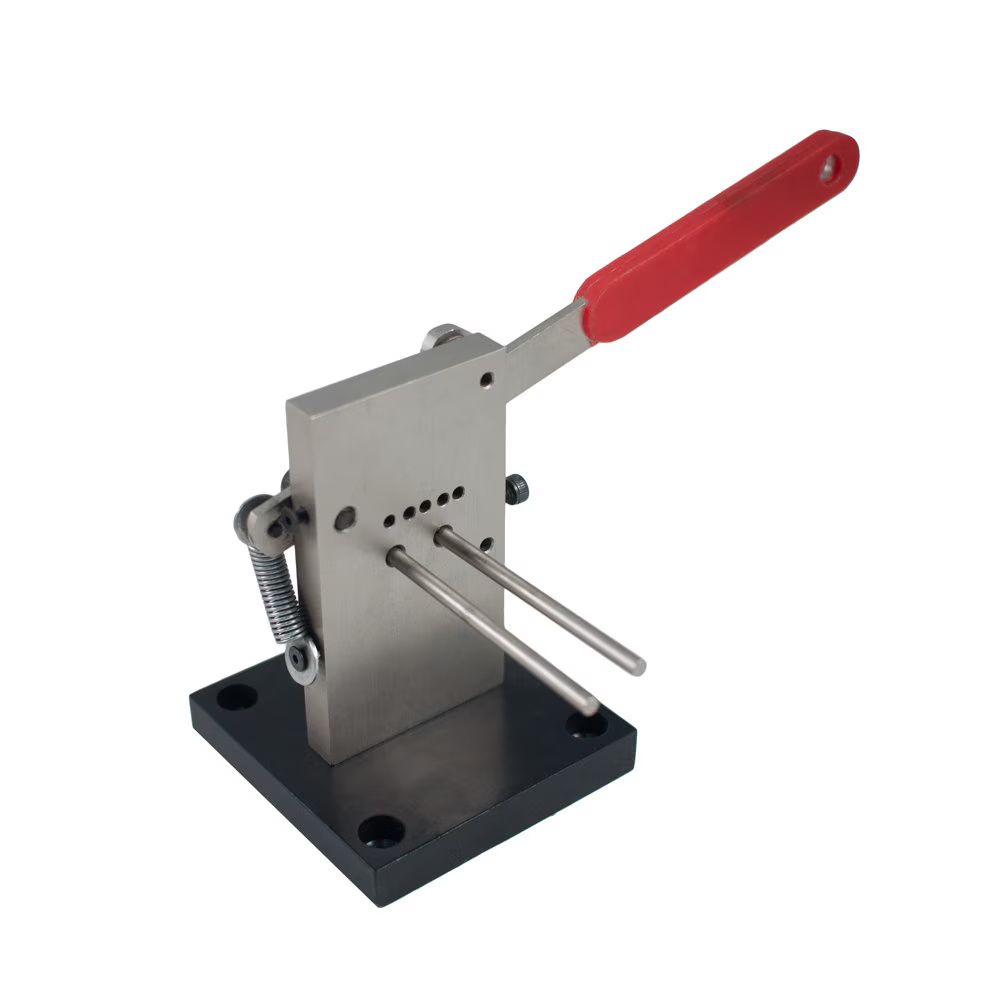
The main purpose is simple: deliver straight, consistent cuts with minimal effort. From trimming documents to preparing printed materials, they are widely used across different environments.
Types of Guillotine Cutters
There are several variations available, each suited to specific needs:
- Small paper cutter: Ideal for light use, such as home or classroom projects.
- Mini paper cutter: Compact and portable, perfect for quick, small-scale tasks.
- Large paper cutter: Designed for handling bigger sheets or higher volumes.
- Heavy duty paper cutter: Built for thick stacks and frequent use.
- Electric paper cutter: Uses motorized action for faster and effortless cutting.
- Hydraulic paper cutter: Common in industrial settings, offering precision and power.
- Big paper cutter: Suitable for oversized materials or bulk work.
Each type serves a different purpose, so choosing the right one depends on your workload and material size.
Key Components and How They Work
Understanding the basic parts can help you use the tool more effectively:
- Blade: The most critical part, responsible for cutting.
- Cutting base: The flat surface where paper is placed.
- Clamp: Holds paper securely to prevent movement.
- Guide ruler: Helps align paper for precise measurements.
- Handle or lever: Controls the blade movement.
When you press the lever, the blade moves downward in a slicing motion. This action ensures clean edges without tearing.
Choosing the Right Paper Cutter
Selecting the right guillotine paper cutter depends on your needs, workspace, and frequency of use.
Factors to Consider
Here are some practical points to think about:
- Volume of work: A heavy duty paper cutter is better for large batches.
- Material thickness: Thicker stacks require stronger blades and sturdy construction.
- Workspace size: A mini paper cutter works well in compact areas.
- Power source: Electric or hydraulic options reduce manual effort.
- Safety features: Look for blade guards and locking mechanisms.
Comparison of Common Types
| Type | Best For | Capacity Level | Portability |
|---|---|---|---|
| Mini paper cutter | Craft and light tasks | Low | High |
| Small paper cutter | Home or school use | Medium | Medium |
| Large paper cutter | Offices and print shops | High | Low |
| Heavy duty paper cutter | Bulk cutting jobs | Very High | Low |
| Electric paper cutter | Frequent and fast cutting | High | Medium |
| Hydraulic paper cutter | Industrial applications | Very High | Low |
This table provides a quick overview to help match your requirements with the right option.
Common Use Cases
Guillotine cutters are versatile tools used in various settings:
- Offices for trimming documents
- Schools for craft and learning activities
- Print shops for bulk cutting
- Designers for precise paper alignment
- Event planners for preparing materials
Their flexibility makes them a practical addition to many workflows.
Tips for Safe and Effective Use
Using a paper guillotine properly ensures both safety and better results. While the tool is straightforward, a few best practices can make a big difference.
Safety Guidelines
Always prioritize safety when handling any cutter:
- Keep fingers away from the blade area
- Use the safety guard whenever available
- Secure paper with the clamp before cutting
- Avoid cutting materials beyond the tool’s capacity
- Store the cutter in a stable, flat position
These simple steps help prevent accidents and maintain control during use.
Improving Cutting Accuracy
To achieve cleaner and more precise cuts:
- Align paper carefully using the guide ruler
- Cut in steady, smooth motions
- Avoid rushing through multiple stacks
- Check blade sharpness regularly
- Use consistent pressure when lowering the blade
Accuracy improves with practice and attention to detail.
Maintenance Tips
Proper maintenance extends the life of your cutter:
- Clean the cutting base to remove debris
- Keep the blade sharp for smooth performance
- Tighten loose screws or components
- Store in a dry area to prevent rust
- Follow manufacturer guidelines for upkeep
Regular care ensures consistent results and safer operation.
Conclusion
Guillotine cutters are reliable tools for achieving clean, straight cuts across a range of materials. From a small paper cutter for simple tasks to a hydraulic paper cutter for industrial use, there’s an option for every need.
Understanding the different types, features, and safety practices helps you use these tools effectively. With the right choice and proper handling, a paper cutter board can significantly improve productivity and precision in everyday tasks.

Related Post...