Rock Drilling Rigs: Essential Guide and Key Insights
Rock drilling rigs play a crucial role in industries like mining, construction, and infrastructure development. Whether it's breaking through tough terrain or preparing foundations, these machines make complex tasks more manageable. Understanding how they work and where they are used can help you appreciate their importance and choose the right equipment for different applications.
Understanding Rock Drilling Rigs and Their Uses
Rock drilling rigs are powerful machines designed to drill holes into hard surfaces like rock, concrete, and soil. These holes are often used for blasting, anchoring, or installing structural supports. From large-scale mining operations to road construction projects, rock drilling equipment is a backbone of modern development.
A hydraulic rock drilling machine uses fluid pressure to deliver high-impact force. This makes it efficient for penetrating dense materials with precision. Compared to older mechanical systems, hydraulic models offer better control, reduced vibration, and improved durability.
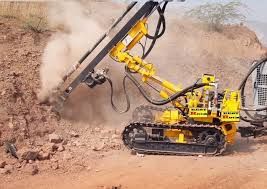
There are several types of rigs designed for specific environments:
- Surface drilling rigs for open areas
- Underground rigs for mining tunnels
- Portable rigs for smaller or remote projects
- Deep rock drilling rigs for extended depth operations
Each type is tailored to meet specific project requirements, ensuring optimal performance and safety.
Types of Rock Drilling Equipment
Different tasks require different tools, and rock drilling equipment comes in various forms to handle diverse challenges.
One commonly used option is the dth drilling machine. DTH stands for "Down-The-Hole," which means the hammer mechanism operates directly at the bottom of the drill hole. This design improves efficiency by reducing energy loss.
Another widely recognized option is the tamrock drilling machine, known for its reliability in demanding environments. These machines are often used in mining and quarrying, where consistency and strength are essential.
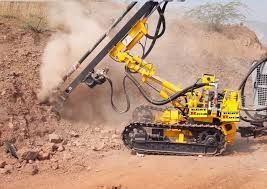
A wagon drilling machine is typically mounted on wheels or tracks, making it easy to move across construction sites. This mobility makes it ideal for roadwork and surface drilling tasks.
Below is a simple comparison of common drilling equipment:
| Equipment Type | Best Use Case | Key Advantage |
|---|---|---|
| Hydraulic rock drilling machine | General construction, mining | Smooth operation and control |
| DTH drilling rig | Deep and hard rock drilling | High efficiency at depth |
| Tamrock drilling machine | Mining and quarry operations | Durability and reliability |
| Wagon drilling machine | Roadwork and surface projects | Mobility and flexibility |
| Deep rock drilling rigs | Long-depth drilling projects | Ability to reach extreme depths |
Each machine type serves a unique purpose, and selecting the right one depends on the project’s scale, depth, and terrain.
How DTH Drilling Rigs Work
A dth drilling rig operates using a hammer placed directly behind the drill bit. Compressed air drives the hammer, delivering rapid powerful impacts to break the rock. At the same time, the drill rotates to ensure even cutting.
This method is particularly effective for:
- Hard and abrasive rock formations
- Deep drilling operations
- Projects requiring straight and accurate holes
Because the hammer is located near the drill bit, energy transfer is more efficient. This results in faster drilling speeds and reduced wear on equipment.
DTH systems are often preferred in mining and water well drilling because they maintain consistent performance even at greater depths.
Key Components of a Drilling Rig
Understanding the main parts of a rock drilling rig can make it easier to evaluate its functionality:
- Drill bit: The cutting tool that breaks the rock
- Drill rod: Connects the machine to the bit
- Hammer: Delivers impact force in DTH systems
- Compressor: Supplies air pressure for operation
- Hydraulic system: Controls movement and force
Each component plays a role in ensuring smooth and effective drilling.
Choosing the Right Rock Drilling Machine
Selecting the right equipment involves more than just picking a powerful machine. Several factors influence the choice, including the nature of the project and environmental conditions.
Project Requirements
Start by identifying the scope of the project. For shallow tasks, a wagon drilling machine may be sufficient. For deeper or more complex operations, deep rock drilling rigs are more suitable.
Consider:
- Depth of drilling required
- Type of material (soft soil vs hard rock)
- Accessibility of the site
Performance and Efficiency
A hydraulic rock drilling machine is often preferred for its efficiency and ease of operation. It provides consistent power output and reduces operator fatigue.
On the other hand, a dth drilling machine is ideal for projects requiring deep penetration and precision. Its design ensures minimal deviation, which is important for structural work.
Mobility and Flexibility
For projects spread across large areas, mobility becomes a key factor. A wagon drilling machine offers flexibility and can be easily transported between locations.
In contrast, stationary rigs are better suited for long-term projects where movement is minimal.
Durability and Maintenance
Machines like the tamrock drilling machine are built to withstand harsh conditions. Choosing durable equipment helps reduce downtime and ensures consistent performance.
Regular maintenance is essential regardless of the machine type. Proper care extends the lifespan and improves overall efficiency.
Practical Tips for Safe and Effective Drilling
Operating rock drilling rigs requires attention to detail and adherence to safety practices. Even experienced operators benefit from following basic guidelines.
Safety Considerations
- Always inspect equipment before use
- Ensure proper ventilation in confined spaces
- Use protective gear like helmets and gloves
- Maintain a safe distance from moving parts
Safety should always be a priority, especially in high-impact environments.
Operational Best Practices
- Use the correct drill bit for the material
- Monitor pressure levels during operation
- Avoid excessive force, which can damage equipment
- Keep the machine clean and well-lubricated
Following these practices helps maintain efficiency and reduces the risk of breakdowns.
Environmental Awareness
Drilling can impact the surrounding environment. Managing dust, noise, and vibration is important for both safety and sustainability.
Simple measures like using dust suppression systems and maintaining equipment can make a significant difference.
Conclusion
Rock drilling rigs are essential tools that support a wide range of industries. From surface construction to deep mining operations, these machines provide the power and precision needed to work with tough materials.
Understanding the differences between equipment types—such as a hydraulic rock drilling machine, dth drilling rig, or wagon drilling machine—helps in making informed decisions. Each machine has its strengths, and choosing the right one depends on the project’s specific needs.
By focusing on performance, safety, and proper maintenance, you can ensure effective and reliable drilling operations. Whether working on a small project or a large-scale operation, the right knowledge and equipment make all the difference.

Related Post...