From healthcare settings to laboratories and manufacturing units, sterilization chambers ensure that equipment and materials remain safe to use.
In this guide, you’ll explore how sterilization chambers work, their different types, and practical tips for using them effectively.
Understanding Sterilization Chambers
A sterilization chamber is a controlled environment designed to eliminate microorganisms such as bacteria, viruses, fungi, and spores. These chambers use specific methods—like heat, gas, or radiation—to achieve sterilization.
The goal is simple: create a space where harmful microbes cannot survive. However, the method used depends on the type of material being sterilized and its sensitivity.
Sterilization chambers are widely used in:
- Hospitals and clinics
- Pharmaceutical production
- Research laboratories
- Food processing industries
Different technologies are applied depending on the requirement, which leads us to the various types of chamber sterilizer systems.
Types of Sterilization Chambers
There isn’t just one universal method. Each sterilization chamber type is designed for specific applications.
Autoclave Chamber
An autoclave chamber uses high-pressure steam to sterilize equipment. It is one of the most commonly used methods due to its effectiveness and reliability.
Key features include:
- High temperature (typically 121–134°C)
- Pressurized steam environment
- Suitable for surgical instruments and lab tools
Variants such as chamber autoclave systems and cool chamber autoclave designs are often used based on cooling needs and material sensitivity.
The statclave g4 chamber autoclave is an example of a modern autoclave model designed for consistent performance and controlled sterilization cycles.
UV Sterilization Chamber
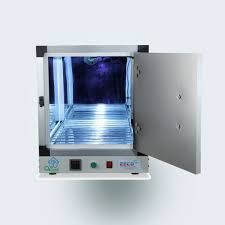
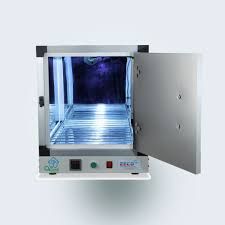
A uv sterilization chamber uses ultraviolet light to destroy microorganisms by damaging their DNA.
It is commonly used for:
- Surface sterilization
- Small tools and devices
- Air and water purification systems
While effective for exposed surfaces, UV sterilization may not penetrate deeply into complex instruments.
Ethylene Oxide Sterilization Chamber
An ethylene oxide sterilization chamber, also known as an eo sterilization chamber, uses gas to sterilize heat-sensitive materials.
This method is ideal for:
- Plastic medical devices
- Electronics
- Complex instruments with narrow pathways
The ethylene oxide chamber works at lower temperatures, making it suitable for materials that cannot withstand heat.
However, it requires careful handling due to the chemical nature of the gas and longer processing times.
How a Chamber Sterilizer Works
At its core, a chamber sterilizer operates through a controlled cycle. The process varies depending on the technology used, but the general steps remain similar.
Basic Sterilization Cycle
-
Preparation
Items are cleaned and placed inside the chamber. -
Conditioning
Air is removed, and the environment is prepared (steam, gas, or UV exposure). -
Sterilization Phase
The selected method eliminates microorganisms. -
Cooling or Aeration
Items are cooled or ventilated before removal. -
Completion
Sterilized items are safely removed and stored.
Each step must be carefully monitored to ensure effectiveness.
Key Factors That Influence Sterilization
Several factors determine how effective a sterilization chamber will be:
- Temperature: Higher temperatures increase efficiency in autoclaves
- Exposure time: Adequate duration ensures complete sterilization
- Moisture or gas concentration: Critical for steam and EO systems
- Load arrangement: Improper placement can block sterilization
Understanding these variables helps maintain consistent results.
Comparing Different Sterilization Chambers
Choosing the right sterilization chamber depends on your specific needs. Below is a simple comparison to help clarify the differences.
| Type of Chamber | Method Used | Suitable For | Key Advantage |
|---|---|---|---|
| Autoclave Chamber | Steam & pressure | Metal tools, surgical instruments | Fast and reliable |
| UV Sterilization Chamber | Ultraviolet light | Surfaces, small items | Chemical-free process |
| Ethylene Oxide Chamber | Gas (EO) | Heat-sensitive materials | Works at low temperatures |
| Cool Chamber Autoclave | Steam with cooling | Delicate instruments | Controlled cooling environment |
| Chamber Autoclave (general) | Steam-based | Broad applications | Widely used and versatile |
This table gives a quick overview, but real-world usage depends on operational needs and safety protocols.
1: Applications Across Industries
Sterilization chambers are used in a wide range of industries, each with unique requirements.
Healthcare Sector
Hospitals rely heavily on autoclave chamber systems to sterilize surgical tools. Maintaining sterility is essential to prevent infections during procedures.
Pharmaceutical Industry
In pharmaceutical production, sterilization chambers ensure that equipment and packaging remain contamination-free. Ethylene oxide sterilization chamber systems are often used for delicate materials.
Laboratories
Research labs use chamber sterilizer systems to maintain clean environments for experiments. UV sterilization chamber setups are common for surface sterilization.
Food Processing
Certain sterilization methods are applied in food processing to maintain hygiene and extend shelf life. While not all methods are suitable, controlled environments are still essential.
2: Common Questions About Sterilization Chambers
Understanding how these systems work often raises a few common questions.
Are all sterilization chambers the same?
No, each type is designed for a specific purpose. For example, an eo sterilization chamber is very different from a steam-based chamber autoclave.
How long does sterilization take?
The duration varies:
- Autoclave cycles: 15–60 minutes
- EO sterilization: Several hours (including aeration)
- UV sterilization: Minutes, depending on exposure
Can all materials be sterilized in one chamber?
Not always. Heat-sensitive materials cannot be placed in an autoclave chamber, which is why alternatives like ethylene oxide chamber systems exist.
Is UV sterilization enough?
UV works well for surfaces but may not reach hidden areas. It is often used as a supplementary method rather than a complete solution.
3: Practical Tips for Effective Use
Using a sterilization chamber properly ensures both safety and efficiency.
Follow Proper Loading Techniques
Avoid overcrowding the chamber. Items should be arranged to allow proper circulation of steam, gas, or light.
Monitor Cycles Carefully
Each sterilization cycle should be tracked. This includes temperature, time, and pressure or gas levels.
Regular Maintenance
Routine checks help ensure consistent performance. Components such as seals, valves, and sensors should be inspected regularly.
Choose the Right Method
Selecting the correct type of chamber sterilizer is essential. For example:
- Use autoclave chamber systems for durable tools
- Use ethylene oxide sterilization chamber systems for delicate materials
- Use uv sterilization chamber setups for surface-level sterilization
Safety Considerations
Always follow safety guidelines, especially when working with gas-based systems like eo sterilization chamber setups. Proper ventilation and handling procedures are critical.
Conclusion
Sterilization chambers are essential tools for maintaining cleanliness and preventing contamination across multiple industries. Whether it’s a steam-based autoclave chamber, a uv sterilization chamber, or an ethylene oxide sterilization chamber, each system serves a specific purpose.
Understanding how these chambers work—and choosing the right one—can significantly improve safety and efficiency. By following proper usage practices, monitoring cycles, and selecting appropriate methods, you can ensure reliable sterilization outcomes.
In the end, the effectiveness of a sterilization chamber depends not just on the technology, but also on how it is used.